Medical Waste Incinerators in Equatorial Guinea: A Quiet but Important Market

Medical Waste Incinerators in Equatorial Guinea: A Quiet but Important Market

Equatorial Guinea is a small country with a split geography: mainland territory on the African continent and island regions such as Bioko. Its health system reflects this split. Larger hospitals and private clinics are concentrated in cities like Malabo and Bata, while many smaller health posts and private facilities serve dispersed communities and industrial projects.

Across this system, one issue is often underestimated: how to safely handle medical and other hazardous waste. As more clinics, laboratories and private hospitals open, the volume of contaminated waste increases. Incineration is one of the few technologies that can be deployed at facility level and adapted to the country’s mixed urban, coastal and island conditions.

For suppliers of medical waste incinerators, Equatorial Guinea is not a high-profile market, but it is a practical one ― with clear needs and relatively few reliable solutions.


Market Characteristics: Small Volumes, High Risk

The waste profile in Equatorial Guinea is different from that of larger African countries:

  • Many facilities are small to medium size.

  • Waste volumes are often modest in tonnage, but hazardous in composition.

  • There is limited capacity for centralized hazardous waste treatment.

Typical medical waste streams include used syringes, needles, infusion sets, dressings, laboratory disposables, small quantities of pharmaceutical waste and infectious material from surgery or maternity services. Some of this waste ends up in open pits or basic burn areas near facilities. In coastal and island towns, space constraints make these informal practices even more problematic.

From a public health perspective, the risk is not about huge tonnages but about poorly handled infectious waste. That is where properly sized medical waste incinerators ― not oversized municipal systems ― become essential.


Demand and Trend: From Improvised Burning to Controlled Incineration

The demand for incinerators in Equatorial Guinea can be seen in three overlapping trends:

  1. Pressure to improve infection control in health facilities
    Hospitals and clinics are increasingly aware that needles in open pits, open burning next to buildings, and mixed medical-general waste are no longer acceptable. Infection prevention and control (IPC) programs naturally push management toward safer, closed-chamber incineration.

  2. Growth of private health providers and laboratories
    Private clinics, diagnostic centers and company health posts (serving oil, gas and construction projects) tend to be more willing to invest in dedicated treatment systems. They want predictable, compliant solutions that can be installed on their own premises.

  3. Limited feasibility of centralized solutions
    In a country with a split mainlandCisland geography and relatively small internal market, building and operating sophisticated central hazardous-waste plants is complicated. On-site or near-site incinerators that match local waste volumes are more realistic.

This combination makes small and medium capacity medical waste incinerators ― often in the 50C200 kg/hour range ― particularly attractive. The market is not huge, but the need is persistent and technically clear.


How Incinerators Fit Local Needs in Equatorial Guinea

To be successful in Equatorial Guinea, incinerators have to do more than burn waste. They must fit local constraints:

  • Fuel availability: Diesel is widely used for generators and vehicles; LPG is present in urban areas; natural gas may be accessible for certain industrial sites. A good incinerator should be able to operate on at least one of these fuels and, ideally, offer multi-fuel options.

  • Limited technical staff: Most health facilities do not have full-time engineers. Equipment must be simple to operate, with clear controls and robust components. Overly complex systems are likely to fall into disrepair.

  • Space constraints: In coastal urban zones and on islands, land is expensive and limited. Compact, containerized or top-loading designs that require minimal civil works are an advantage.

  • Environmental and community sensitivity: Facilities are often near residential areas. Excessive smoke, odor or visible emissions cause complaints and can attract regulatory attention. Proper combustion control and, where needed, gas treatment or scrubber options are important.

When these conditions are considered, a pattern emerges: the most suitable incinerators are those that combine robust construction with compact footprint, basic automation and the possibility of emission-control add-ons.


HICLOVER Incinerators: Matching Equatorial Guinea’s Practical Reality

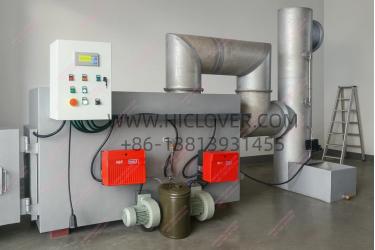
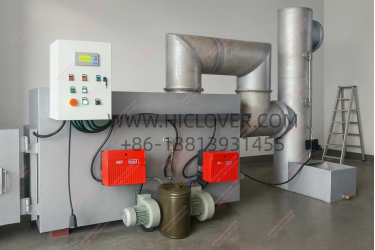
HICLOVER’s range of medical waste incinerators fits closely with these conditions. The company focuses on solid-waste incinerators that can be configured for medical, pharmaceutical and general hazardous waste, with the following strengths for the Equatoguinean market:

  1. Multiple configurations for different facility types

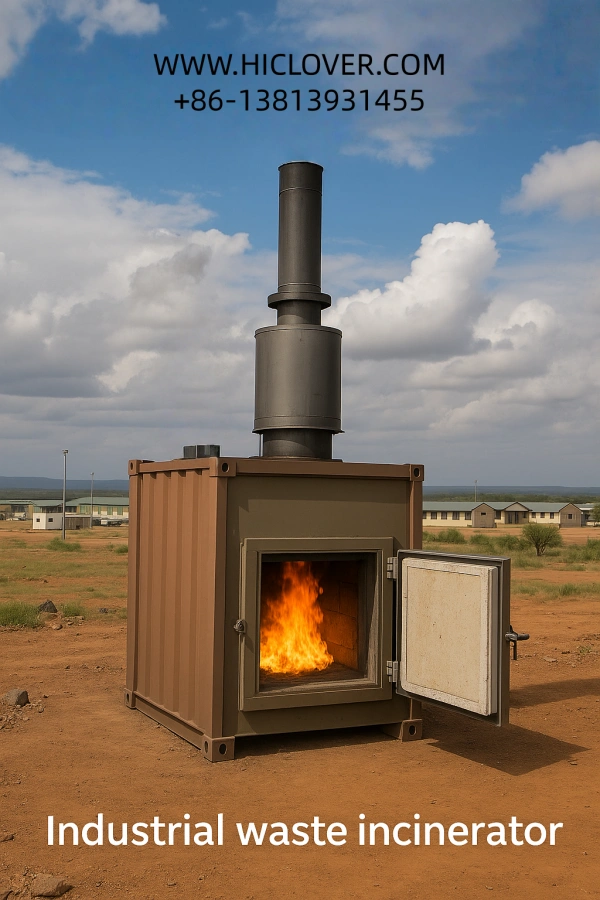
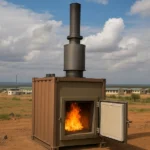
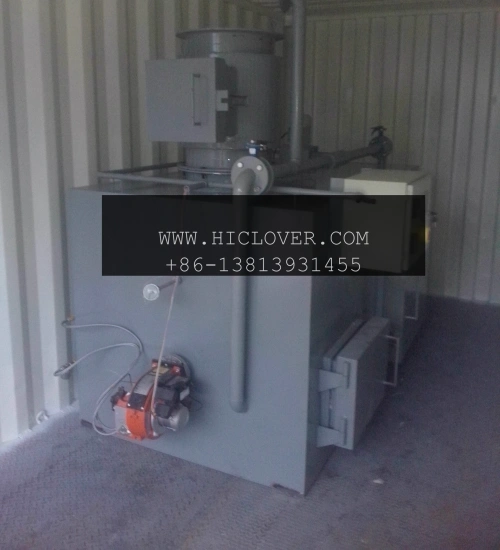
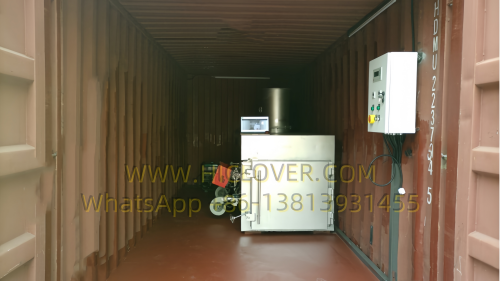
    • Containerized mobile incinerators for remote bases, industrial camps and island facilities where a plug-and-play solution is preferred.

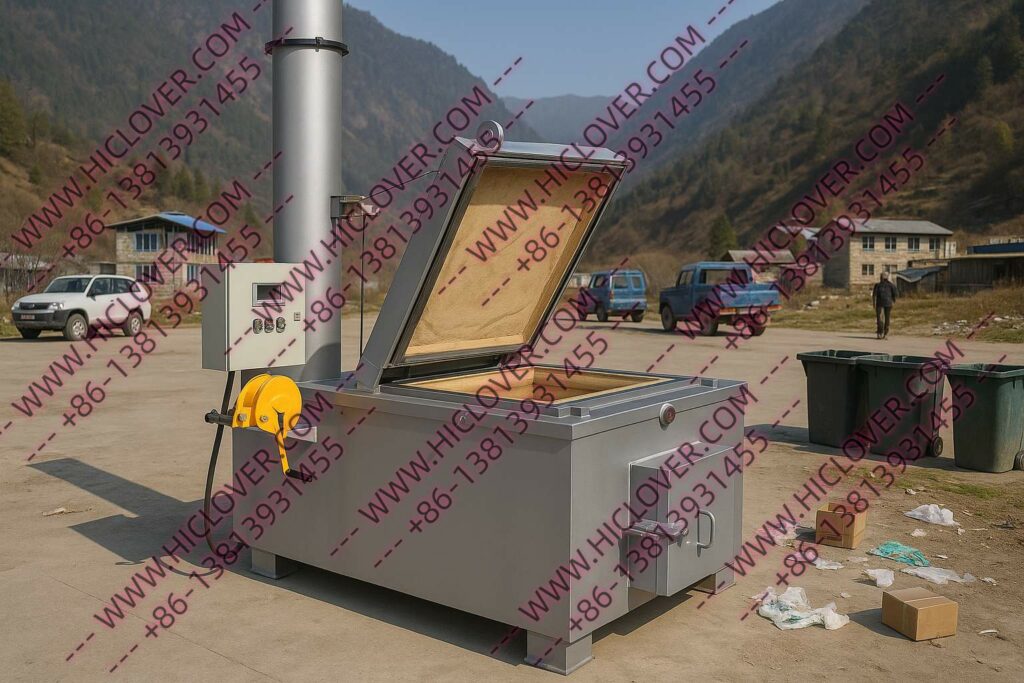
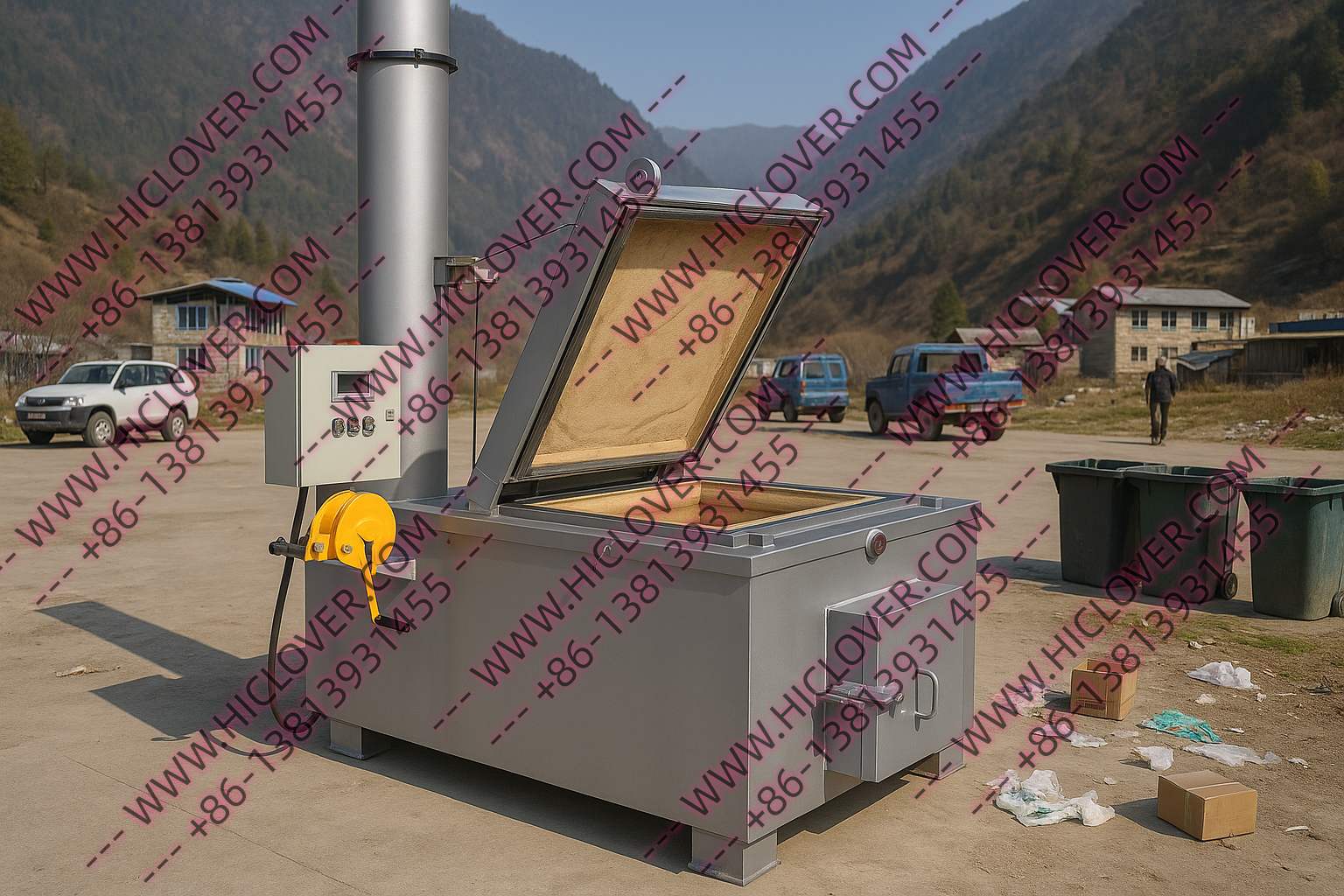
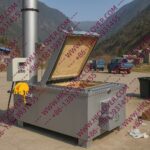
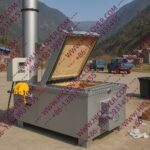
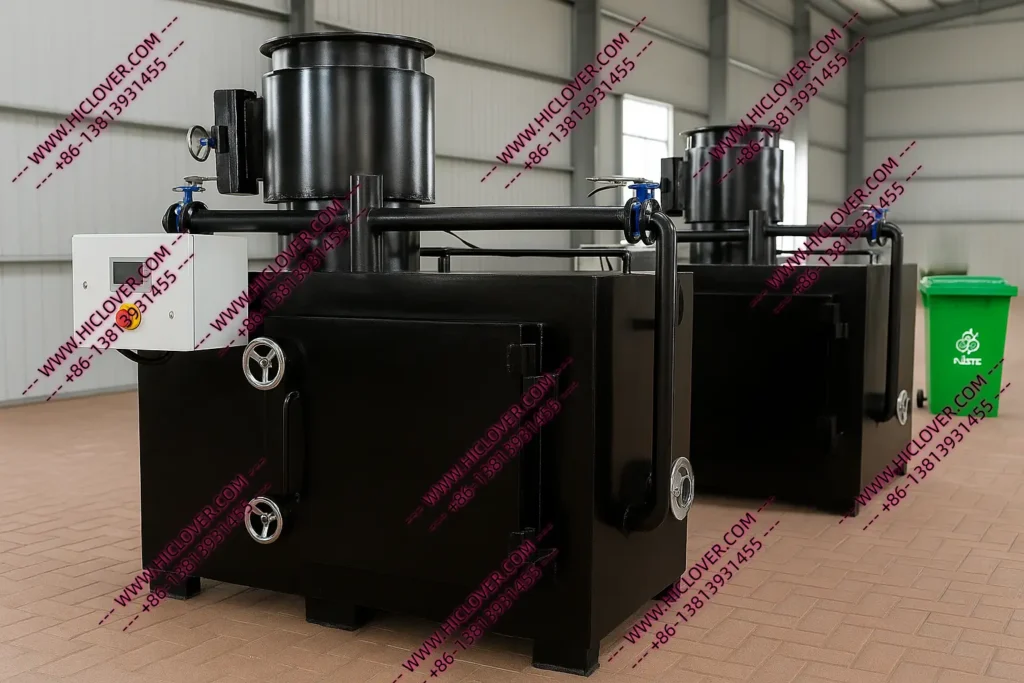
    • Top-loading medical incinerators for hospitals that handle batch loads of mixed infectious waste.

    • Automatic systems with PLC control for larger hospitals or centralized treatment at provincial level.

  2. Fuel flexibility
    HICLOVER incinerators can be built for diesel, LPG or natural gas burners. This flexibility allows a hospital in Malabo to choose LPG if it is economical, while a mainland clinic or oil-field camp can run the same basic design on diesel.

  3. Double-chamber, high-temperature design
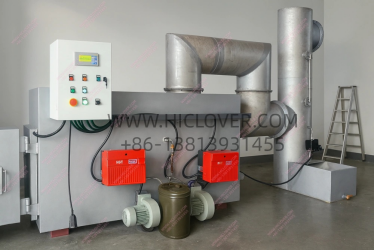
    Primary chambers are designed for direct waste loading and controlled burning. Secondary chambers complete the oxidation process, reducing smoke and odor. Operating temperatures are specified with sufficient margin to ensure good destruction of pathogens and organic contaminants.

  4. Optional filtration and gas-cleanup modules
    Where needed, HICLOVER can supply dry filters or wet scrubber systems. This is particularly relevant when facilities are close to residential neighborhoods or coastal environments where visible emissions are very sensitive.

  5. Durable construction for coastal climates
    Equatorial Guinea’s coastal and island locations bring high humidity and salt-laden air. HICLOVER’s use of appropriate coatings, refractory linings and suitable structural materials improves resistance to corrosion and thermal stress, supporting longer service life.


Extra Focus: Offshore and Industrial Health Posts

A useful way to understand the niche potential of incinerators in Equatorial Guinea is to look at offshore and industrial health posts.

Oil and gas platforms, offshore support bases, and industrial camps often include small clinics to serve employees. These units generate a concentrated but continuous stream of medical waste: syringes, infusion lines, contaminated dressings, small quantities of pharmaceuticals, and laboratory disposables. Transporting this waste back to main cities for treatment is costly, slow and risky.

For these applications, a compact, containerized HICLOVER incinerator installed at a base or port facility provides a controlled, on-site solution:

  • Waste is destroyed quickly instead of being stored and shipped.

  • Clinic staff have a simple, repeatable disposal routine.

  • Project operators can demonstrate compliance with internal HSE standards and host-country expectations.

This offshore/industrial niche is small in absolute numbers, but the willingness to invest in reliable technology is typically higher, and the demand for low-maintenance, robust incinerators aligns naturally with HICLOVER’s product strengths.


Positioning for SEO and Business Development

From an SEO and marketing perspective, the Equatorial Guinea incinerator market can be addressed with focused messaging that reflects these realities. Phrases such as:

  • “medical waste incinerator in Equatorial Guinea”

  • “hospital incinerator for Malabo and Bata clinics”

  • “containerized incinerator for island health centers”

  • “diesel-fired medical waste incinerator for offshore bases”

all match likely queries from project owners, hospital managers and engineering firms looking for practical solutions.

By emphasizing:

  • HICLOVER’s experience with medical and solid waste incinerators,

  • the availability of containerized and top-loading designs,

  • fuel flexibility (diesel / LPG / natural gas), and

  • optional scrubber systems and PLC automation,

HICLOVER can position itself as a serious, technically reliable partner for Equatorial Guinea’s gradual but real shift toward safer medical waste disposal.


Closing View

Equatorial Guinea may not appear first on a global list of waste-management markets, but for medical waste incinerators it is a clear opportunity. Health facilities are growing, waste volumes are increasing, and current disposal practices are often basic and risky.

A well-selected HICLOVER incinerator, correctly sized and configured for local fuel and site conditions, offers a direct path from improvised burning to controlled, professional waste treatment. For hospitals, clinics, industrial health posts and project developers in Equatorial Guinea, it is not only a piece of equipment, but an essential element of safe, modern healthcare delivery.

Mobile: +86-13813931455(WhatsApp)

Email:     [email protected]     
Email:     [email protected] 


2025-12-07/21:45:36

Incinerator Items/Model

HICLOVER TS100(PLC)


Burn Rate (Average)

100kg/hour

Feed Capacity(Average)

150kg/feeding

Control Mode

PLC Automatic

Intelligent Sensor

Continuously Feeding with Worker Protection

High Temperature Retention(HTR)

Yes (Adjustable)

Intelligent Save Fuel Function

Yes

Primary Combustion Chamber

1200Liters(1.2m3)

Internal Dimensions

120x100x100cm

Secondary Chamber

600L

Smoke Filter Chamber

Yes

Feed Mode

Manual

Burner Type

Italy Brand

Temperature Monitor

Yes

Temperature Thermometer

Corundum Probe Tube, 1400℃Rate.

Temperature Protection

Yes

Automatic Cooling

Yes

Automatic False Alarm

Yes

Automatic Protection Operator(APO)

Yes

Time Setting

Yes

Progress Display Bar

3.7 in” LCD Screen

Oil Tank

200L

Chimney Type

 Stainless Steel 304

1st. Chamber Temperature

800℃–1000℃

2nd. Chamber Temperature

1000℃-1300℃

Residency Time

2.0 Sec.

Gross Weight

7000kg

External Dimensions

270x170x190cm(Incinerator Main Body)

Burner operation

Automatic On/Off

Dry Scrubber

Optional

Wet Scrubber

Optional

Top Loading Door

Optional

Asbestos Mercury Material

None

Heat Heart Technology(HHT)

Optional

Dual Fuel Type(Oil&Gas)

Optional

Dual Control Mode(Manual/Automatic)

Optional

Temperature Record

Optional

Enhanced Temperature Thermometer

Optional

Incinerator Operator PPE Kits

Optional

Backup Spare Parts Kits

Optional

Mobile Type

Optional:Containerized/Trailer/Sledge Optional

Incinérateurs Compacts à Chargement Supérieur pour un Déploiement Rapide et à Faible Budget

HICLOVER TS10 / TS20 / TS30 : Incinérateurs Compacts à Chargement Supérieur pour un Déploiement Rapide et à Faible Budget

Les HICLOVER TS10, TS20 et TS30 forment une série d’incinérateurs de petite capacité particulièrement compacts, conçus pour les organisations qui doivent traiter les déchets de manière fiable sans infrastructure lourde ni budgets élevés. Grâce à leur porte supérieure (chargement vertical), à leur structure légère et à leur installation rapide, ces modèles conviennent parfaitement aux petites cliniques, centres de santé ruraux, unités mobiles, exploitations agricoles, laboratoires et missions humanitaires temporaires.

Dans plusieurs pays comme le Kenya, le Pérou, le Népal ou le Ghana, ces incinérateurs compacts sont largement adoptés car ils peuvent être mis en service rapidement, nécessitent peu de travaux et fonctionnent efficacement même dans des environnements à faibles ressources.


1. L’Avantage du Chargement Supérieur : Simple, Sûr et Adapté aux Espaces Réduits

La caractéristique essentielle de la série TS est son chargement vertical, permettant de déposer les déchets directement dans la chambre primaire. Ce système est idéal pour les opérateurs ayant un niveau technique limité.

Les principaux avantages de la porte supérieure sont :

  • Chargement facilité par la gravité, idéal pour les déchets légers ou irréguliers

  • Moindre perte de chaleur, offrant plus de sécurité pendant les cycles

  • Flux de travail plus propre, sans compactage ou manipulation excessive

  • Meilleure ergonomie dans les petites pièces ou abris improvisés

  • Exposition réduite aux gaz chauds et aux flammes

Dans des cliniques éloignées en Tanzanie ou des micro-postes vétérinaires en Bolivie, le chargement supérieur a nettement amélioré la rapidité d’opération et la sécurité des équipes.


2. Caractéristiques Ultra-Compactes : TS10, TS20, TS30

Chaque modèle répond à une capacité différente, mais tous partagent une empreinte au sol minimale, une construction compacte et une utilisation économique, parfaitement adaptées aux projets de déploiement rapide.

TS10 – Incinérateur Ultra-Compact à Chargement Supérieur

  • Volume chambre primaire : 110 litres

  • Charge par cycle : 8–10 kg

  • Brûleur : Riello FS10 (diesel)

  • Température chambre primaire : 800–900°C

  • Température chambre secondaire : 1000–1200°C

  • Idéal pour : petites cliniques du Cambodge rural, unités vétérinaires mobiles, micro-laboratoires

TS20 – Modèle Compact pour Petites Installations

  • Chambre primaire : 220 litres

  • Charge par cycle : 15–20 kg

  • Brûleur : Riello FS10 (diesel ou LPG)

  • Performances similaires au TS10

  • Utilisation : stations de recherche à Madagascar, hôpitaux communautaires, petites exploitations agricoles

TS30 – Unité de Petite Capacité Renforcée

  • Chambre primaire : 330 litres

  • Charge par cycle : 25–30 kg

  • Brûleur : Riello FS10 (diesel ou gaz)

  • Hauteur accrue pour déchets volumineux

  • Idéal pour : hôpitaux de campagne en Jordanie, élevages avicoles, villages isolés

Dans l’ensemble de la série, la porte supérieure permet de charger facilement le papier, le plastique, les petits déchets médicaux ou les petites carcasses.


3. Technologies Conçues pour les Environnements à Faibles Ressources

Les incinérateurs HICLOVER de petite capacité intègrent des éléments techniques fiables garantissant une combustion stable malgré leur taille compacte :

  • Double chambre de combustion pour une fumée plus propre

  • Contrôle numérique/PLC avec gestion précise des brûleurs

  • Briques réfractaires haute qualité et isolation thermique performante

  • Thermocouples pour le suivi thermique continu

  • Allumage automatique et stabilisation de flamme

  • Fonctionnement au diesel, LPG ou gaz naturel

  • Cheminées en acier inoxydable, avec ou sans laveur humide

  • Installation minimale, sans travaux lourds

Ces atouts les rendent parfaitement adaptés aux cliniques rurales d’Ouganda ou aux petits laboratoires du Laos, où les infrastructures sont limitées.


4. Configurations Mobiles et Solutions de Déploiement Rapide

La série TS a été pensée pour un déploiement immédiat, permettant d’installer un système complet en quelques heures.

Version sur Remorque

Utilisée par les équipes vétérinaires et d’inspection en Afrique du Sud, pour le traitement direct des déchets sur les exploitations rurales.

Système Mobile en Conteneur

Installé dans un conteneur de 20 pieds, avec ventilation, éclairage et sortie de cheminée. Très utilisé dans les camps de l’ONU en Irak, les camps de réfugiés et les opérations d’urgence.

Montage sur Skid

Déplaçable par chariot élévateur dans les usines, mines, chantiers et zones agricoles – courant en Éthiopie ou en Papouasie-Nouvelle-Guinée.

Module de Déploiement Rapide

Version légère utilisée par les équipes médicales d’urgence, par exemple lors d’épidémies en Haïti.

Grâce au chargement vertical, le fonctionnement reste efficace même sur un terrain irrégulier.


5. Domaines d’Application dans Divers Secteurs

Déchets Médicaux (Petits Centres de Santé)

Gestion sûre de :

  • déchets infectieux

  • EPI, pansements

  • coton, papier, petites seringues

Indispensable dans les cliniques isolées en Sierra Leone.

Secteur Vétérinaire et Avicole

Élimination facilitée de :

  • petites carcasses

  • sous-produits avicoles

  • litières ou emballages contaminés

Très répandu dans les petites fermes avicoles du Bangladesh.

Laboratoires de Recherche

Destruction de :

  • échantillons biologiques

  • boîtes de culture

  • emballages contaminés

Assure la biosécurité dans les laboratoires de terrain d’Amérique latine.

Camps Humanitaires et Missions de Terrain

Utilisé dans :

  • camps de réfugiés

  • bases de missions internationales

  • postes médicaux mobiles

  • équipes d’intervention rapide

Solution largement utilisée par les missions de l’ONU en Somalie.

Secteur Commercial et Industriel Léger

Convient pour :

  • ateliers

  • hôtels, lodges, éco-camps

  • micro-manufactures

Très apprécié dans les écolodges isolés d’Indonésie.


6. Pourquoi la Série TS10 / TS20 / TS30 est Idéale pour les Projets à Faible Budget et Déploiement Rapide

Les incinérateurs compacts HICLOVER sont privilégiés dans de nombreux pays car ils offrent :

  • Structure compacte et faible empreinte au sol

  • Mise en service très rapide (souvent le jour même)

  • Coût d’acquisition et d’installation réduit

  • Combustion haute température stable jusqu’à 1200°C

  • Faible consommation de carburant

  • Intégration facile aux remorques, conteneurs ou cadres skid

  • Durabilité élevée, même en conditions difficiles

La série TS représente ainsi une solution idéale pour les organisations cherchant un incinérateur compact, économique et simple à déployer, particulièrement dans les zones rurales, les missions d’urgence et les opérations de terrain.

Mobile: +86-13813931455(WhatsApp)

Email:     [email protected]     
Email:     [email protected] 


2025-11-24/12:52:26

Incinerator Items/Model

HICLOVER TS100(PLC)


Burn Rate (Average)

100kg/hour

Feed Capacity(Average)

150kg/feeding

Control Mode

PLC Automatic

Intelligent Sensor

Continuously Feeding with Worker Protection

High Temperature Retention(HTR)

Yes (Adjustable)

Intelligent Save Fuel Function

Yes

Primary Combustion Chamber

1200Liters(1.2m3)

Internal Dimensions

120x100x100cm

Secondary Chamber

600L

Smoke Filter Chamber

Yes

Feed Mode

Manual

Burner Type

Italy Brand

Temperature Monitor

Yes

Temperature Thermometer

Corundum Probe Tube, 1400℃Rate.

Temperature Protection

Yes

Automatic Cooling

Yes

Automatic False Alarm

Yes

Automatic Protection Operator(APO)

Yes

Time Setting

Yes

Progress Display Bar

3.7 in” LCD Screen

Oil Tank

200L

Chimney Type

 Stainless Steel 304

1st. Chamber Temperature

800℃–1000℃

2nd. Chamber Temperature

1000℃-1300℃

Residency Time

2.0 Sec.

Gross Weight

7000kg

External Dimensions

270x170x190cm(Incinerator Main Body)

Burner operation

Automatic On/Off

Dry Scrubber

Optional

Wet Scrubber

Optional

Top Loading Door

Optional

Asbestos Mercury Material

None

Heat Heart Technology(HHT)

Optional

Dual Fuel Type(Oil&Gas)

Optional

Dual Control Mode(Manual/Automatic)

Optional

Temperature Record

Optional

Enhanced Temperature Thermometer

Optional

Incinerator Operator PPE Kits

Optional

Backup Spare Parts Kits

Optional

Mobile Type

Optional:Containerized/Trailer/Sledge Optional

Safe Healthcare Waste Treatment Equipment and Services for Afghanistan’s National Expanded Program for Immunization

Safe Healthcare Waste Treatment Equipment and Services for Afghanistan’s National Expanded Program for Immunization


Access to healthcare is a fundamental human right, yet in Afghanistan and much of Central Asia, geographical, infrastructural, and economic challenges continue to restrict it. Mountainous terrain, vast rural distances, and poor transport networks hinder communities’ ability to reach medical services. To overcome these barriers, Afghanistan’s National Expanded Program for Immunization (NEPI) and partner organizations conduct outreach sessions, routine immunization, and national vaccination campaigns to deliver essential vaccines and medicines across the country.

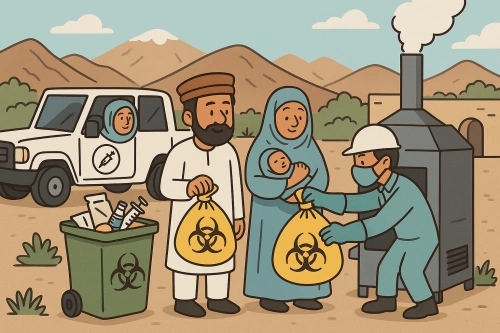
However, these vital public health efforts create a parallel challenge: the accumulation of hazardous medical waste. Each vaccination campaign generates infectious sharps, used vials, contaminated packaging, expired cold-chain materials, and damaged thermometers or data loggers. Without safe treatment and disposal systems, such waste poses serious health and environmental risks―potentially reversing public health gains made through immunization.

Current Waste Management Gaps

A 2023 UNICEF assessment revealed that Afghanistan faces systemic weaknesses in healthcare waste management:

  • Only 43% of facilities had access to national guidelines on safe waste handling.

  • About 60% had some waste segregation systems in place, but segregation practices were often inconsistent.

  • Only 49% of immunization waste from outreach sessions was transported back to facilities for safe disposal; the rest was openly burned or buried, contaminating soil and air.

  • Just 17% of healthcare workers had received formal training in safe waste handling.

  • Over half of facilities lacked adequate personal protective equipment (PPE), and only 41% of staff consistently used it.

These figures highlight both a lack of infrastructure and a gap in operational capacity. In many rural clinics, waste is managed through open burning or low-temperature incineration, methods that release harmful emissions, leave infectious residues, and endanger nearby communities.

Toward Sustainable Waste Treatment Solutions

To mitigate these risks, the proposed project focuses on strengthening the safe management of immunization-related medical waste at both community and facility levels. The program will establish a network of five environmentally sustainable incineration systems, specifically designed for Afghanistan’s rugged terrain and limited resources.

These systems will:

  • Operate at high combustion efficiency, ensuring complete destruction of infectious materials.

  • Be fuel-flexible (diesel or LPG), suitable for remote or low-infrastructure environments.

  • Require minimal installation and maintenance, making them practical for rural health centers.

  • Comply with WHO and national emission standards, supporting Afghanistan’s commitments under international environmental frameworks.

  • Include training modules for health staff on waste segregation, handling, and equipment operation to build long-term capacity.

Regional Relevance

The situation in Afghanistan mirrors challenges across Central Asia, where remote populations, limited waste infrastructure, and constrained budgets hinder proper healthcare waste management. By implementing safe, small-scale incineration technologies and training programs, countries in the region can reduce disease transmission, improve occupational safety, and strengthen public confidence in national immunization efforts.

Conclusion

Safe waste treatment is not only a technical necessity but a cornerstone of public health integrity. For Afghanistan’s NEPI program, introducing sustainable incineration systems and waste management training represents a decisive step toward a safer, cleaner, and more resilient healthcare environment. Proper disposal of medical waste ensures that immunization―one of the most effective health interventions―remains both life-saving and environmentally responsible across Afghanistan and its Central Asian neighbors.

Mobile: +86-13813931455(WhatsApp)

Email:     [email protected]     
Email:     [email protected] 


2025-11-12/16:38:53

Incinerator Items/Model

HICLOVER TS100(PLC)


Burn Rate (Average)

100kg/hour

Feed Capacity(Average)

150kg/feeding

Control Mode

PLC Automatic

Intelligent Sensor

Continuously Feeding with Worker Protection

High Temperature Retention(HTR)

Yes (Adjustable)

Intelligent Save Fuel Function

Yes

Primary Combustion Chamber

1200Liters(1.2m3)

Internal Dimensions

120x100x100cm

Secondary Chamber

600L

Smoke Filter Chamber

Yes

Feed Mode

Manual

Burner Type

Italy Brand

Temperature Monitor

Yes

Temperature Thermometer

Corundum Probe Tube, 1400℃Rate.

Temperature Protection

Yes

Automatic Cooling

Yes

Automatic False Alarm

Yes

Automatic Protection Operator(APO)

Yes

Time Setting

Yes

Progress Display Bar

3.7 in” LCD Screen

Oil Tank

200L

Chimney Type

 Stainless Steel 304

1st. Chamber Temperature

800℃–1000℃

2nd. Chamber Temperature

1000℃-1300℃

Residency Time

2.0 Sec.

Gross Weight

7000kg

External Dimensions

270x170x190cm(Incinerator Main Body)

Burner operation

Automatic On/Off

Dry Scrubber

Optional

Wet Scrubber

Optional

Top Loading Door

Optional

Asbestos Mercury Material

None

Heat Heart Technology(HHT)

Optional

Dual Fuel Type(Oil&Gas)

Optional

Dual Control Mode(Manual/Automatic)

Optional

Temperature Record

Optional

Enhanced Temperature Thermometer

Optional

Incinerator Operator PPE Kits

Optional

Backup Spare Parts Kits

Optional

Mobile Type

Optional:Containerized/Trailer/Sledge Optional

Mobile Waste Incinerators for Mining and Smelting Operations

Mobile Waste Incinerators for Mining and Smelting Operations


Mining and smelting industries―whether extracting copper, nickel, iron, or processing non-metallic minerals such as phosphate and salt―generate complex waste streams that require safe and efficient disposal. In remote regions of Africa, South America, and Central Asia, where mines and processing plants operate far from urban centers, managing waste becomes a logistical and environmental challenge. The HICLOVER mobile incinerator system delivers a dependable solution for on-site waste destruction in these demanding industrial environments.


Waste Management Challenges in Mining Regions

Mining and mineral-processing bases often include labor camps, laboratories, and mechanical workshops. These facilities produce diverse waste types: used oil rags, plastic packaging, contaminated lab samples, and general domestic waste. Improper disposal risks soil and groundwater contamination, while transporting waste off-site adds unnecessary cost and risk.

Regions like Zambia’s Copperbelt, Indonesia’s Sulawesi nickel mines, and Saudi Arabia’s phosphate complexes require compact and easily relocatable waste treatment systems. The HICLOVER mobile incinerator fits these operational realities―designed for mountainous, dispersed camps where infrastructure is limited.


System Features and Performance

Each unit in the HICLOVER mobile incinerator series is mounted on a skid or trailer base for quick transport and field setup. Built with high-grade steel and refractory insulation, it withstands harsh environmental conditions typical of mining and smelting sites.

Core specifications include:

  • Primary combustion chamber: 850C950 °C for solid and mixed waste.

  • Secondary chamber: ≥1100 °C with ≥2 s gas retention for complete oxidation.

  • PLC automatic control system with temperature feedback and fuel adjustment.

  • Compatible with diesel, LPG, or natural gas for flexible energy use.

  • Minimal maintenance design suitable for remote operations.

  • Optional dry or wet scrubber modules for flue gas cleaning in refining zones.

These systems comply with China GB 18484-2020 emission standards, equivalent to WHO and EU environmental guidelines.


Ideal for Distributed Industrial Operations

For open-pit mines, underground extraction zones, and metallurgical refining plants, HICLOVER’s mobile systems provide localized, controlled waste treatment that eliminates the need for off-site disposal. The equipment can be transported by truck between satellite camps, geological labs, and smelter areas, reducing waste storage and infection risks.

The same setup also supports construction and exploration bases in remote desert or mountainous terrain, ensuring full environmental compliance under tight operating schedules.


Environmental and Operational Benefits

  • 90C95 % waste volume reduction.

  • Fully enclosed combustion preventing odor and smoke leakage.

  • Rapid deployment within hours after arrival on-site.

  • Long refractory lifespan with simple operator training.

  • Compatible with renewable or hybrid power setups.

By installing a HICLOVER mobile incinerator, mining companies strengthen their ESG compliance and minimize environmental liabilities linked to hazardous or combustible waste.


Reliable Partner for Mining Waste Solutions

With proven engineering and exports to over 40 countries, HICLOVER provides containerized and mobile incineration systems that match the demanding conditions of global mining operations. From African gold belts to Central Asian salt extraction zones, the company delivers systems built for endurance, safety, and regulatory compliance.

For technical data and deployment references, visit:
www.hiclover.com | Mobile Incinerator Systems | Industrial Waste Solutions | Contact HICLOVER | CloverFilter Air Filtration Units


Keywords: mining waste incinerator, mobile incineration system, smelting waste treatment, diesel incinerator for remote sites, copper mine waste disposal, on-site incineration for mineral processing, HICLOVER mobile incinerator.

Mobile: +86-13813931455(WhatsApp)

Email:     [email protected]     
Email:     [email protected] 


2025-11-02/22:15:36

Incinerator Items/Model

HICLOVER TS100(PLC)


Burn Rate (Average)

100kg/hour

Feed Capacity(Average)

150kg/feeding

Control Mode

PLC Automatic

Intelligent Sensor

Continuously Feeding with Worker Protection

High Temperature Retention(HTR)

Yes (Adjustable)

Intelligent Save Fuel Function

Yes

Primary Combustion Chamber

1200Liters(1.2m3)

Internal Dimensions

120x100x100cm

Secondary Chamber

600L

Smoke Filter Chamber

Yes

Feed Mode

Manual

Burner Type

Italy Brand

Temperature Monitor

Yes

Temperature Thermometer

Corundum Probe Tube, 1400℃Rate.

Temperature Protection

Yes

Automatic Cooling

Yes

Automatic False Alarm

Yes

Automatic Protection Operator(APO)

Yes

Time Setting

Yes

Progress Display Bar

3.7 in” LCD Screen

Oil Tank

200L

Chimney Type

 Stainless Steel 304

1st. Chamber Temperature

800℃–1000℃

2nd. Chamber Temperature

1000℃-1300℃

Residency Time

2.0 Sec.

Gross Weight

7000kg

External Dimensions

270x170x190cm(Incinerator Main Body)

Burner operation

Automatic On/Off

Dry Scrubber

Optional

Wet Scrubber

Optional

Top Loading Door

Optional

Asbestos Mercury Material

None

Heat Heart Technology(HHT)

Optional

Dual Fuel Type(Oil&Gas)

Optional

Dual Control Mode(Manual/Automatic)

Optional

Temperature Record

Optional

Enhanced Temperature Thermometer

Optional

Incinerator Operator PPE Kits

Optional

Backup Spare Parts Kits

Optional

Mobile Type

Optional:Containerized/Trailer/Sledge Optional

Industrial Waste Incinerator Solutions for Kenya’s Energy and Mining Camps

Industrial Waste Incinerator Solutions for Kenya’s Energy and Mining Camps

Introduction: Waste Challenges in Industrial Camps

Kenya’s growing mining and energy sector has led to the establishment of large-scale camps in Turkana, Kitui, and coastal regions. These camps generate significant volumes of industrial and hazardous waste, including packaging, lubricants, contaminated plastics, and medical waste from on-site clinics. Traditional disposal methods such as open dumping or uncontrolled burning are no longer acceptable under Kenya’s National Environment Management Authority (NEMA) regulations.

As a result, companies and aid projects operating in remote areas are increasingly adopting industrial waste incinerators in Kenya to ensure safe, compliant, and environmentally friendly waste treatment.


Why Industrial Waste Incinerators Are Critical in Kenya

  1. Remote Operations: Mining and energy projects are often located far from municipal waste facilities, making on-site treatment the only practical solution.

  2. Environmental Compliance: Donor-backed and government-regulated projects must demonstrate NEMA compliance and alignment with WHO and UNEP guidelines.

  3. Health and Safety: Camps with thousands of workers require reliable incineration to prevent contamination, disease risks, and cross-border waste transport.


Containerized and Mobile Incinerator Options

The deployment of containerized industrial waste incinerators in Kenya provides mobility, ease of installation, and durability. Pre-installed in 20ft or 40ft ISO containers, these systems can be delivered directly to camps, set up within hours, and relocated if projects move to new sites. This flexibility is vital for mining operations and energy projects that expand or shift locations.


HICLOVER TS300: Designed for Industrial Applications

The HICLOVER TS300 incinerator is particularly suited for high-volume industrial waste management in Kenya’s mining and energy sector:

  • Capacity: 300 kg/hour average burn rate

  • Primary Chamber: 3,000 liters with heavy-duty refractory lining

  • Secondary Chamber: ≥1100°C with ≥2-second retention time, ensuring complete combustion and minimal toxic emissions

  • PLC-Controlled System: Automatic ignition, burner modulation, airflow regulation, and safety interlocks

  • Fuel Flexibility: Operates on diesel, LPG, or natural gas, ensuring adaptability in regions with unstable supply chains

  • Emission Control Options: Wet scrubbers, quench towers, activated carbon dosing, and baghouse filters for strict donor or export project requirements


Applications in Kenya’s Industrial Landscape

  • Mining Camps in Turkana and Kitui: On-site incinerators eliminate logistical costs of transporting hazardous waste to urban centers.

  • Energy Projects in Coastal Regions: Containerized models handle both general industrial waste and biomedical waste from camp clinics.

  • Donor-Funded Operations: UNDP- and World Bank-supported projects require wet scrubber-equipped industrial waste incinerators to demonstrate compliance with international standards.

  • Regional Aid Programs: Systems can also be relocated to nearby Uganda or Tanzania for cross-border projects.


Conclusion

The need for industrial waste incinerators in Kenya’s energy and mining camps is growing rapidly as industries expand into remote areas. With models like the HICLOVER TS350, operators gain a containerized, mobile, and environmentally compliant solution that meets the challenges of modern industrial waste management.

For detailed specifications and procurement support:
www.hiclover.com
[email protected]


Mobile: +86-13813931455(WhatsApp)

Email:     [email protected]     
Email:     [email protected] 


2025-09-24/09:16:16

Mobile and Containerized Incineration for Humanitarian and Healthcare Projects

Mobile and Containerized Incineration for Humanitarian and Healthcare Projects

Meeting Waste Management Needs in Crisis and Remote Settings

Refugee camps, NGO projects, and rural healthcare facilities face critical challenges in handling infectious waste. Open dumping and low-temperature burning not only endanger communities but also violate modern environmental standards. This is why mobile incinerator for refugee camps and NGO projects solutions are becoming the benchmark. Compact, transportable, and designed for harsh environments, they provide a controlled, safe, and rapid response to medical and pathological waste treatment.

Donor-Funded Hospital Incinerator Projects with Containerized Systems

Development agencies and international donors increasingly demand donor funded hospital incinerator project with containerized system solutions. A containerized mobile incinerator offers self-contained waste treatment capacity, ideal for regions with limited infrastructure. These systems can be rapidly deployed to hospitals, vaccination centers, or temporary health camps, reducing risks associated with infectious sharps and contaminated vials.

Compact Incinerator for Clinics and Pathological Waste

Smaller rural clinics often generate mixed streams of sharps, gauze, and pathological waste. A compact incinerator for clinic sharps and pathological waste allows on-site treatment, eliminating the need for risky transportation. The HICLOVER range includes models such as the TS30 PLC, which offers dual-chamber design, automatic PLC control, and burn rates suited to low-to-medium waste outputs.

Technical Features of HICLOVER Containerized Mobile Incinerators

HICLOVER’s containerized systems combine robust construction with advanced automation to meet donor and NGO requirements:

  • Containerized and mobile type: Housed in ISO-standard containers or trailer-mounted for easy relocation.

  • Dual combustion chambers: Primary chamber at 850C1000°C and secondary chamber at 1100C1300°C with ≥2 seconds gas residence time, ensuring complete combustion of pathogens and dioxin precursors.

  • PLC automatic control: Full automation for burners, safety shutdowns, alarms, and progress monitoring.

  • Italy brand burners: High reliability and fuel efficiency for diesel or dual-fuel options.

  • Emission compatibility: Integration with wet scrubbers, activated carbon adsorption, and baghouse filters when required by WHO or EU standards.

Applications Across Africa and Beyond

HICLOVER mobile incinerators have been deployed in healthcare facilities, oilfield camps, and humanitarian operations across Africa, Asia, and the Middle East. In East Africa, they are particularly valued for their ability to support regional healthcare networks where donor-funded waste treatment projects require fast, standardized, and environmentally compliant solutions.

Conclusion

For refugee camps, NGO programs, and donor-funded hospitals, HICLOVER containerized mobile incinerators offer a practical, scalable, and compliant solution. Whether handling sharps, pathological waste, or vaccination campaign residues, HICLOVER provides durable equipment that meets both humanitarian needs and international environmental benchmarks.

Contact HICLOVER for project-specific recommendations and procurement support.

Do you want me to also prepare a comparison table of HICLOVER models (TS30, TS50, TS100) for refugee camps vs. hospitals vs. NGOs? This would help show scalability for different tenders.

Mobile: +86-13813931455(WhatsApp)

Email:     [email protected]     
Email:     [email protected] 


2025-09-08/19:53:36

Containerized Mobile Incinerators for Hospitals, Clinics, and Camps

Containerized Mobile Incinerators for Hospitals, Clinics, and Camps

Effective waste management in diverse settings – from hospital waste disposal to remote field camps – calls for incineration solutions that are both mobile and robust. HICLOVER’s containerized incinerators (HICLOVER) are built to meet these needs with portable designs and advanced combustion technology. Whether it’s a hospital waste containerized incinerator 100 kg per hour for a city hospital or a mobile incinerator for rural clinics and camps, HICLOVER provides solutions that combine high capacity, compliance with emissions standards, and ease of deployment. These units come pre-assembled in ISO shipping containers for quick plug-and-play setup, requiring no permanent infrastructureethiopia-incinerator.com. The result is a flexible waste treatment system that can be rapidly deployed or relocated as needed – from local healthcare facilities to solid waste treatment in African petroleum camps.

Hospital Waste Incinerator – 100 kg/hour Containerized Unit

Hospitals and large clinics generate infectious and biomedical waste daily that must be disposed of safely. A containerized incinerator with about 100 kg per hour burn rate (such as HICLOVER’s Model TS100 PLC) is ideal for hospital waste managementhiclover.comhiclover.com. These incinerators are designed as dual-chamber systems: the primary chamber achieves high temperatures (800–1000 ℃) to burn medical waste, and the secondary chamber reaches 1000–1200 ℃ with at least a 2-second gas retention to destroy harmful emissions like dioxinshiclover.comrfq.hiclover.com. The CA100 unit, for example, features a 1200 L primary combustion chamber and a 600 L secondary chamber, ensuring complete burnout of sharps, pathological waste, and other hospital refusehiclover.comhiclover.com.

Each HICLOVER medical incinerator comes equipped with a PLC automatic control system for safe and consistent operationrfq.hiclover.com. The PLC (Programmable Logic Controller) allows automated control of burner ignition, temperature, and cycle times, reducing the need for constant human monitoring. Intelligent sensors and safety interlocks are integrated to protect operators – for instance, the system can automatically shut off burners when the loading door is opened and then re-ignite once the door is closed, enabling continuous feeding without hazardincinerator.co. With features like digital temperature displays and automatic temperature protection, the incinerator maintains the required high temperatures (typically 800–1200 ℃) for effective pathogen destructionhiclover.comhiclover.com.

Crucially, HICLOVER’s containerized hospital waste incinerators are built for easy installation and mobility. Housed in a standard 20 or 40 ft container with thermal insulation, they require no concrete foundation and can be operational shortly after arriving on siteethiopia-incinerator.com. This is particularly useful for emergency situations or expanding hospital facilities, where an incinerator can be delivered and made operational immediately. For example, TS100  can be transported to a field hospital or an urban medical center and quickly connected to fuel (diesel or gas) and power to start processing wasteethiopia-incinerator.comincinerator.co. The self-contained design also improves safety and cleanliness, confining the incineration process within a secure steel container and keeping it isolated from staff and patients.

Mobile Incinerator for Rural Clinics and Camps

Rural clinics, small hospitals, and field camps often lack access to centralized waste treatment plants. In these settings, a mobile incinerator for rural clinics and camps can be a lifesaver for proper biomedical waste disposal. HICLOVER addresses this need by offering incinerators mounted in containerized units or on trailer/skid bases, making them highly portable for remote areascovid19.africa-incinerator.com. These mobile incinerators range in capacity – smaller models like the HICLOVER TS30 PLC handle about 30 kg/hour and are well-suited for rural health centers, while larger portable units can manage 60–100 kg/hour for bigger clinics or temporary medical campscovid19.africa-incinerator.com.

Even the smaller incinerators incorporate the same critical features as larger units. They use twin combustion chambers with PLC automationcovid19.africa-incinerator.com to ensure complete burning of medical waste and minimal emissions. The dual-chamber design (primary and secondary) guarantees that sharps, dressings, and infectious materials are thoroughly incinerated, and harmful pollutants are broken down at high temperaturescovid19.africa-incinerator.com. This is essential for rural clinics dealing with sharps waste – used needles and syringes are safely destroyed so they cannot be scavenged or reused, preventing the spread of diseases like HIV and hepatitiscovid19.africa-incinerator.comcovid19.africa-incinerator.com.

Mobile HICLOVER units for rural applications are built with user-friendly and safe operation in mind. They often feature a front or side loading door with protective mechanisms for the operator. The control panel (usually PLC-based) allows even a small staff to run the incinerator with minimal training, and some models have progress display screens and timers to monitor incineration cycles. Fuel flexibility is another advantage in remote areas – HICLOVER incinerators can operate on diesel, and many models can be optionally configured for dual-fuel (diesel or natural gas) depending on local fuel availabilitycovid19.africa-incinerator.com. This ensures that a clinic in a village with only diesel supply, or a camp with LPG, can reliably use the incinerator.

For deployments by NGOs or military camps, the mobility and quick setup of these incinerators are key. The entire system can be crane-lifted and trucked to a new location as neededincinerator.co. In fact, HICLOVER’s containerized or trailer-mounted incinerators have been used in UN health missions and disaster relief operations where a rapid response is requiredincinerator.co. Units like the TS30 PLC  models are plug-and-play, meaning once on site, they only need basic connections to start – no lengthy construction or installation. This ease of deployment has made HICLOVER incinerators popular for rural healthcare projects funded by organizations like WHO and the World Bank, which often specify dual-chamber, high-temperature incinerators for improving medical waste management in developing regionscovid19.africa-incinerator.comcovid19.africa-incinerator.com. Indeed, Tanzania’s national health initiatives, for example, have adopted modern containerized incinerators for laboratories and rural clinics to replace outdated open burning, with HICLOVER units meeting the required NEMC environmental guidelinescovid19.africa-incinerator.comcovid19.africa-incinerator.com.

HICLOVER Containerized Incinerators in African Petroleum Camps

Remote oil and gas exploration sites and African petroleum camps present a unique waste management challenge. These camps generate a mix of wastes – from daily garbage and kitchen waste to oil-contaminated rags, drilling fluids, and even hazardous materials – all in isolated locations far from municipal disposal facilitiesincinerator.co. HICLOVER containerized incinerators for solid waste treatment in African petroleum camps have proven vital in maintaining cleanliness and environmental compliance on these sites. For example, in the Libyan oil fields, HICLOVER’s larger models like the TS300 PLC and TS500 PLC are deployed to handle industrial-scale waste volumes. Shipped fully assembled in ISO containers, these systems offer plug-and-play deployment with no need for civil works, allowing oil companies to rapidly set up waste incineration at remote drilling campsethiopia-incinerator.comethiopia-incinerator.com. This portability means an incinerator can move as the project moves – a valuable feature in exploration phases or temporary rig camps.

The incinerators for oilfield applications are engineered for harsh environments and heavy-duty use. The container housing is reinforced and insulated to withstand extreme heat and desert conditions (e.g. high ambient temperatures, sandstorms)ethiopia-incinerator.com. Burners are high-capacity (often imported from Italy for quality) and built to endure continuous operation, since oil camps may incinerate waste around the clockethiopia-incinerator.comcovid19.africa-incinerator.com. HICLOVER’s designs also incorporate corrosion-resistant coatings to protect against the elements, ensuring a long service life even in humid or coastal oilfield environmentsethiopia-incinerator.com.

Environmental compliance is a top priority in petroleum camps. International oil companies and their contractors must meet strict environmental regulations and ESG (Environmental, Social, Governance) goals. HICLOVER’s dual-chamber incinerators help meet World Bank IFC emissions guidelines and WHO biomedical waste standards by achieving high combustion efficiency and clean emissionsethiopia-incinerator.com. The secondary combustion chamber and high-temperature operation (often above 1100 ℃) ensure that smoke and harmful gases are thoroughly treated before release. Many units come with or can be fitted with optional air pollution control devices, such as wet scrubbers and particulate filters, to further reduce acid gases and dust in the exhaustincinerator.coincinerator.co. These scrubbers neutralize acidic components like HCl and SO₂ and capture fine particulates, a feature particularly useful if the waste stream includes chlorine-containing plastics or other chemicalsrfq.hiclover.comrfq.hiclover.com. By using such emission control add-ons, oil and gas operators in Africa have been able to adhere to environmental standards even when incinerating mixed waste streams on-siteincinerator.coincinerator.co.

In practice, HICLOVER’s containerized incinerators have become a standard solution for oilfield camps in countries like Libya, Nigeria, Uganda, and Angola. They offer high throughput (some models can burn 300–500 kg/hour) with optimized fuel consumption, an important factor for cost-conscious operationsethiopia-incinerator.com. For instance, the TS500 PLC unit not only destroys waste at high volumes but does so with a fuel-to-waste ratio engineered for efficiency, helping reduce diesel usage over timeethiopia-incinerator.com. Major petroleum companies and national oil corporations have chosen HICLOVER incinerators to improve on-site waste management as part of their sustainability effortsethiopia-incinerator.comethiopia-incinerator.com. By integrating these incinerators, camps keep their waste under control (minimizing open dumping or pit burning) and demonstrate compliance with environmental commitments – all while having a system that is mobile and can be redeployed to new drilling sites as needed.

Key Technical Features and Options of HICLOVER Incinerators

One of the reasons HICLOVER’s incinerators are suited to such a wide range of applications is their advanced technical features and configurable options. All models are designed as high-temperature, dual-chamber incinerators with refractory lining, ensuring efficient primary combustion and a secondary burn to treat exhaust gasesrfq.hiclover.com. High-Temperature Retention (HTR) technology is built-in – the secondary chamber maintains a high temperature (often 1100 ℃ or higher) with a minimum 2-second residence time to achieve near-complete combustion of organic pollutantscovid19.africa-incinerator.comcovid19.africa-incinerator.com. This results in smokeless operation and compliance with international emission standards for medical and solid waste incineration.

PLC Automatic Control: As a standard, HICLOVER provides PLC-based control systems on its incinerators, which automate the burn cycle and safety functionsrfq.hiclover.com. Operators can switch between manual and automatic modes (dual control mode) as needed. In automatic mode, the system manages burner operation, temperature set-points, and timers. The PLC also enables features like automatic ignition, shutdown and restart sequences, and fault alarms. For example, if any parameter goes out of range or a door is opened unsafely, the PLC triggers an automatic alarm and safe shutdown, alerting the operator with visual and audio warnings (an “automatic false alarm” system for safety) before conditions are restored. This level of automation and self-monitoring increases reliability, especially important in remote areas where technical supervision may be limited.

Burner Quality and Fuel Options: HICLOVER incinerators use high-quality burners (often imported Italy-made burners) to ensure consistent and efficient combustioncovid19.africa-incinerator.com. These burners are designed for longevity and easy maintenance, capable of running on different fuels. Diesel-fueled burners are standard, but many models offer dual-fuel capability, allowing the incinerator to run on diesel or natural gas/LPG as availablecovid19.africa-incinerator.com. This dual-fuel option provides flexibility and can lower operating costs if a cleaner or cheaper fuel is accessible. Additionally, an intelligent fuel-saving feature is available on some models: through the PLC and sensor feedback, the burner modulates flame intensity to maintain temperature with optimal fuel use (preventing excessive fuel burn once the chamber is hot, which is a form of heat recovery efficiency).

Optional Enhancements: HICLOVER offers a wide range of optional features to tailor the incinerator to specific needs:

  • Mobility Customization: Beyond the base containerized design, units can be ordered on trailer chassis or skid/sledge frames for easier towing or dragging in off-road conditions. This is useful for military, mining, or construction camps where incinerators might need to be moved frequentlycovid19.africa-incinerator.com. Lightweight modifications are available for easier transport, and crane hooks or forklift pockets are built into container models for handlingincinerator.co.

  • Feeding and Ash Handling: While standard models have a manual loading door (usually side or front), there are options for top-loading doors or automatic feeding systems for continuous operation. For high-throughput scenarios, an automatic waste feeder (e.g. a conveyor or bin tipper) can be integrated to continuously add waste without cooling the chamber. Similarly, automatic ash removal systems (like ash conveyors or detachable ash pans) can be included, so the burnt residue can be removed without interrupting operations. A movable grate or waste bed is another option that improves airflow around the waste and allows easier removal of ash by simply rolling out the grate.

  • Advanced Combustion and Heat Recovery: HICLOVER’s engineering includes options like Heat Heart Technology (HHT) – an optional feature focusing on enhanced heat distribution and combustion efficiency – and pre-heat/heat recovery systems. Heat recovery can be used to preheat combustion air or waste fuel, effectively recycling heat to save fuel (a fuel-saving mode) and improve overall energy efficiency. For instance, exhaust heat exchangers can preheat incoming air or even produce hot water/steam for use elsewhere on a site, turning the incinerator into a part of a broader energy management system.

  • Emission Control: In addition to wet scrubbers, clients can opt for dry filtration systems such as baghouse filters or cyclonic dust separators after the scrubber to capture any remaining particulates (a sort of “smoke dust filter” system). For medical waste, activated carbon injection systems can also be provided to adsorb volatile toxins like mercury or dioxins if neededcovid19.africa-incinerator.com. High chimneys or stack extensions are available to ensure adequate draft and dispersion of cleaned flue gas. All incinerators come with temperature monitoring and recording options – enhanced thermocouples (often with a corrosion-resistant corundum probe rated to 1600 ℃ for longevity) monitor the chambers, and data loggers can record temperature profiles for compliance reporting.

  • Convenience & Safety: Features like a flame observation window (a small reinforced glass porthole to observe the burner flame and combustion process) can be included to aid operators. System self-testing modes are integrated via the PLC so operators can run diagnostics on sensors and actuators before each use. For maintenance and support, HICLOVER supplies spare parts kits and offers operator training along with personal protective equipment (PPE) kits for incinerator operators. These PPE kits typically include heat-resistant gloves, face shields, and coveralls, ensuring safety during loading and ash removal.

With such technical features, HICLOVER’s containerized incinerators are able to serve varied applications. A small rural clinic unit might prioritize easy operation and sharps disposal safety, while a large oil camp unit might be outfitted with extra fuel capacity and scrubbers – yet both are based on the same proven dual-chamber, high-temperature design. The flexibility in configuration means customers can specify the incinerator model and options that match their waste volume and regulatory requirements.

HICLOVER’s containerized and mobile incinerators have become trusted solutions for effective waste treatment across hospitals, rural communities, and industrial camps. By combining modular design, advanced combustion engineering, and mobility, these incinerators enable on-site waste disposal that is efficient, compliant, and secure. A single HICLOVER unit can be destroying infectious hospital waste at 100 kg/hour in one regionhiclover.com, while another is eliminating trash in a remote oilfield camp with minimal environmental footprintethiopia-incinerator.com. In all cases, the core benefits remain consistent: rapid deployment, reliable high-temperature performance, and adherence to strict emissions standards.

From UN field hospitals in Africa to petroleum exploration camps and municipal clinics, HICLOVER’s containerized incinerators are field-tested and globally deployed solutionsincinerator.co. They exemplify how modern incineration technology – featuring containerized mobility, double-chamber combustion, PLC automation, and optional enhancements like scrubbers or heat recovery – can tackle waste challenges anywhere. As organizations and governments seek safer and greener waste management, the HICLOVER brand stands out with portable incinerator systems that bring “clean and efficient waste treatment” directly to the point of need. Whether referred to as a mobile incinerator in English, HICLOVER’s innovative incineration solutions continue to support public health, environmental protection, and operational efficiency around the world.

Mobile: +86-13813931455(WhatsApp)

Email:     [email protected]     
Email:     [email protected] 


2025-09-02/20:43:10

Comparing Incineration, Autoclaving, and Microwave Treatment for Medical Waste Management

Comparing Incineration, Autoclaving, and Microwave Treatment for Medical Waste Management

Proper treatment of medical waste is critical for protecting public health and the environment. Globally, three common methods are applied: incineration, high-pressure steam sterilization (autoclaving), and high-energy microwave treatment. Each has its advantages and limitations, but when evaluated in terms of effectiveness, speed of implementation, and adaptability in developing regions, incineration remains the most reliable and comprehensive solution.

1. Incineration: Direct and Effective Waste Destruction

Advantages

  • Complete destruction: Incineration eliminates infectious waste, pathological materials, sharps, and pharmaceuticals by reducing them to sterile ash.

  • Universal waste compatibility: Unlike steam or microwave systems, incinerators handle a wide range of waste, including contaminated plastics, gauze, needles, and animal by-products.

  • Rapid deployment: Incineration facilities such as the HICLOVER TS series dual-chamber incinerators can be installed and operated quickly, making them ideal for hospitals, clinics, camps, and remote areas.

  • Volume reduction: Waste is reduced by up to 95%, minimizing landfill needs.

Challenges

  • Requires strong operational management to ensure compliance.

  • Flue gas must be treated with wet scrubbers, dry scrubbers, or bag filters to meet international air quality standards.

With the right technology, such as HICLOVER’s PLC-controlled incinerators with refractory-lined chambers and optional air pollution control systems, these challenges are fully addressed, ensuring both performance and environmental safety.

2. High-Pressure Steam Sterilization (Autoclaving)

Advantages

  • Effective for sterilizing infectious waste (Category A waste).

  • Established technology widely used in hospitals for instruments and limited waste streams.

  • Lower upfront capital costs compared to large incineration systems.

Limitations

  • Does not reduce waste volume: Sterilized waste still requires shredding and landfill disposal.

  • Not suitable for pharmaceuticals, chemicals, or pathological waste.

  • Risk of secondary handling: Since treated waste looks unchanged, improper disposal can still spread hazards.

This method is more suitable as a complementary treatment for small volumes of specific waste streams, not a complete solution for healthcare waste management.

3. High-Energy Microwave Treatment

Advantages

  • Advanced sterilization technique using microwave irradiation combined with shredding and moisture control.

  • Effective for disinfecting infectious and sharps waste.

  • Automated operation with reduced human contact.

Limitations

  • High electrical demand, making it unsuitable for regions with unstable power supply.

  • Very high capital and operational costs, especially in developing countries.

  • Like autoclaving, it still requires secondary disposal after treatment.

  • Limited capacity to handle pharmaceuticals, chemicals, and anatomical waste.

For many hospitals and rural clinics in Africa and Asia, these systems are financially and logistically impractical.

Why Incineration with HICLOVER is the Best Choice

When comparing these methods, incineration remains the most direct, effective, and versatile option for comprehensive medical waste treatment. With models ranging from compact units for rural clinics to containerized systems for large hospitals and international aid projects, HICLOVER incinerators address the full range of medical waste categories (ACE).

Key strengths of HICLOVER incinerators include:

  • Dual-chamber combustion at 850C1300°C, ensuring complete pathogen destruction.

  • High alumina refractory linings for long-lasting chamber durability.

  • PLC-based automation and safety sensors, simplifying operation.

  • Optional scrubber systems to comply with EU, WHO, and national emission standards.

Conclusion

While steam sterilization and microwave systems may have niche applications, they fail to provide a complete and cost-effective solution for the broad spectrum of medical waste generated in healthcare facilities. HICLOVER medical waste incinerators stand out as the most practical technology: direct in operation, effective across all waste categories, and adaptable to diverse infrastructure conditions worldwide.


Mobile: +86-13813931455(WhatsApp)

Email:     [email protected]     
Email:     [email protected] 


2025-09-02/00:00:57

Medical Waste & Camp Incineration in South Sudan

Medical Waste & Camp Incineration in South Sudan: Current Situation & Market Analysis

Overview of South Sudan’s Needs

South Sudan, as one of the youngest and least developed countries in the world, faces serious challenges in waste management—especially medical and hazardous waste. Limited infrastructure, protracted conflict, and remote field conditions increase the need for decentralized, robust waste incineration solutions.


Medical Waste Incinerators

Users and Applications

  • Public Hospitals and Primary Healthcare Centers (PHCCs): Large hospitals in Juba (e.g., Juba Teaching Hospital), Malakal, Bentiu, and Wau often operate small- to medium-capacity medical incinerators.

  • Field hospitals & emergency health posts: NGOs and international agencies frequently install small-capacity incinerators (e.g., 10–50 kg/hour) near mobile clinics and health centers.

  • Maternity and isolation units: Incinerators are often used to dispose of infectious waste, sharps, contaminated PPE, and pathological waste.

Typical Models and Features

  • Diesel or LPG-fired units.

  • Capacity commonly ranges from 20 kg/hour to 100 kg/hour.

  • Preference for top-loading or rotary models that can operate in off-grid areas.

  • Some units include basic air pollution control devices (e.g., wet scrubbers) if funded by larger agencies.

Challenges

  • Limited technical capacity for operation & maintenance.

  • Fuel supply constraints.

  • Lack of nationwide waste policy enforcement.


Camp Waste Incinerators

Main Users

  • UN peacekeeping missions: e.g., UNMISS (United Nations Mission in South Sudan) bases in Juba, Bor, Bentiu, Malakal, and other field locations.

  • Humanitarian and refugee camps: Supported by agencies like:

    • UNHCR (United Nations High Commissioner for Refugees)

    • IOM (International Organization for Migration)

    • World Food Programme (WFP)

  • NGOs operating large base camps: e.g., MSF (Médecins Sans Frontières), ICRC (International Committee of the Red Cross), Samaritan’s Purse.

Use Cases

  • Disposal of mixed solid waste from camps: food packaging, used materials, expired goods.

  • Incineration of confidential documents and packaging waste.

  • Camp medical facilities’ hazardous waste.

Typical Solutions

  • Containerized mobile incinerators: Deployed for rapid setup and relocation between camps.

  • Burn rates typically 50–300 kg/hour depending on site scale.

  • Often diesel-fueled; sometimes dual-chamber design for better combustion efficiency.


NGOs & UN Procurement Trends

  • Procurement often linked to donor-funded projects (e.g., USAID, ECHO, Global Fund).

  • NGOs prefer turnkey incinerator packages: include installation, training, and spare parts.

  • UN agencies (especially UNOPS, UNICEF, WHO) publish tenders for incinerators as part of health system strengthening.

  • Preference for international suppliers with experience in humanitarian contexts.


Market Outlook

  • Growing demand for small-to-medium capacity incinerators (10–100 kg/hour), driven by:

    • Expansion of rural healthcare services.

    • Establishment of isolation/treatment centers.

    • UN and NGO policy alignment on environmentally sound waste disposal.

  • Containerized incinerators for camps remain important due to mobility and security concerns.

  • Increased attention on emission standards: new projects often require compliance with WHO or Basel Convention recommendations.


Key Observations

  • South Sudan relies heavily on external actors (NGOs, UN agencies) to provide and operate incinerators.

  • Local technical support is limited; therefore, units with low maintenance and simple operation are preferred.

  • Funding volatility and fuel shortages remain significant barriers.

  • International suppliers that can bundle training, installation, and after-sales service are best positioned to serve this market.


Mobile: +86-13813931455(WhatsApp)

Email:     [email protected]     
Email:     [email protected]

HICLOVER TS20 PLC Hospital Waste Incinerator Delivered to Togo: Safe, Efficient, and Fully Automated Solution

HICLOVER is proud to announce the successful deployment of its TS20 PLC model hospital waste incinerator in Togo, tailored for safe and reliable medical waste disposal. Designed to meet global environmental and health safety standards, the HICLOVER TS20 PLC incinerator is a compact, high-performance system ideal for hospitals, clinics, and healthcare facilities requiring dependable, on-site waste management.


High-Temperature, Complete Combustion

The TS20 PLC model ensures complete combustion at temperatures above 1000°C, effectively destroying all pathogens and harmful substances found in hospital waste. With a dual combustion chamber system and high exhaust temperatures exceeding 1300°C, it guarantees safe and clean incineration, reducing waste to a sterile ash residue.


Superior Construction for High-Performance Operation

  • Flame-retardant lining withstands up to 1750°C, ensuring durability and operational safety.

  • Thermostatic temperature control optimizes fuel efficiency and maintains consistent thermal performance.

  • Sturdy body weight of around 2000kg ensures stable operation in various environments.

  • External dimensions: 2150 x 1200 x 1100 mm; Main chamber: 800 x 800 x 350 mm.

  • Chimney height of approximately 6 meters ensures proper exhaust dispersion.


Practical Waste Handling Capacity

  • Incineration rate: 5 to 20 kg of waste per hour, with daily capacity up to 150 kg (330 lbs).

  • Chamber volume: up to 8 cubic feet (0.22 cubic meters) per load.

  • Built-in 50-gallon (200L) fuel tank supports continuous operation in remote or resource-constrained settings.


Advanced Automation & Easy Operation

  • Automatic, pre-set cycle control for both startup and shutdown ensures minimal human intervention.

  • State-of-the-art PLC control system offers simple interface and real-time temperature monitoring.

  • Minimal training required C the system is ready to use upon delivery, saving time and resources.

  • Modular design simplifies on-site transport, assembly, and maintenance.


Ideal Solution for Medical Waste in Togo and Beyond

The HICLOVER TS20 PLC hospital waste incinerator is now operational in Togo, supporting safer healthcare environments by eliminating infectious waste at the point of generation. It is a proven solution for rural and urban hospitals alike, especially where centralized waste treatment is not available.


 Learn More About HICLOVER

Explore how HICLOVER incinerators can serve your hospital, NGO project, or emergency response unit. Our equipment meets WHO and UN procurement standards, with a proven track record across Africa, the Middle East, and Asia.

Visit www.hiclover.com
 Email: [email protected]


Related Keywords for SEO

  • Hospital waste incinerator in Togo

  • Medical incineration system Africa

  • HICLOVER TS20 PLC incinerator

  • Dual chamber medical waste burner

  • Portable incinerator for healthcare waste

  • High-temperature incinerator for pathogens

  • WHO-compliant incinerators

  • On-site medical waste disposal solution

Mobile: +86-13813931455(WhatsApp)

Email:     [email protected]     
Email:     [email protected]